O2 COMPRESSOR TECHNICAL BLOG
What to Include in an O2 Compressor RFQ
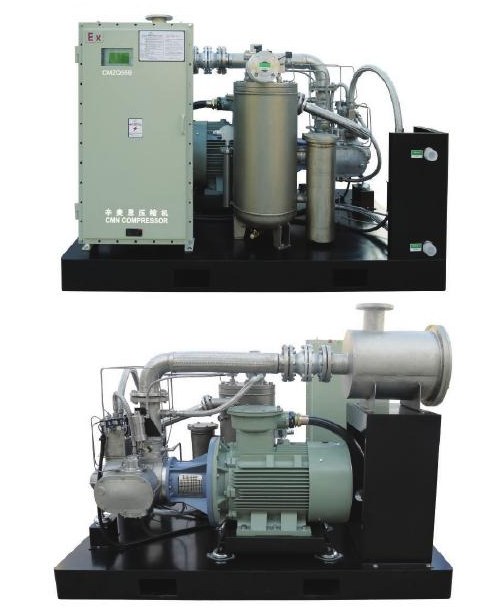
An O2 compressor RFQ should start with the gas and the duty rather than a cabinet photograph. State the oxygen percentage or purity, expected contaminants or moisture, suction pressure, target discharge pressure, required flow and whether the operating point is continuous, intermittent or variable.
Define the gas-contact boundary
Oxygen-service compatibility is a separate engineering question from the general compressor technology. Provide the cleanliness requirement, gas-contact materials or restrictions, seal expectations, any lubricant or isolation constraints and the project safety basis. If the project already has a P&ID, equipment specification or approved material list, include it.
Define the operating envelope
Send minimum, normal and maximum conditions where they matter. Include inlet temperature, ambient/site conditions, available cooling utilities, electrical supply, control interface and any upstream/downstream equipment that constrains pressure or flow.
Keep source claims in their lane
A source catalogue may document an oil-free screw, scroll or 20-40 bar air-compressor family. That is useful evidence for platform identity, but it does not automatically establish pure-oxygen suitability. Treat oxygen-service approval as an RFQ confirmation item unless the exact source explicitly provides it.